June 23, 2026 • Marcus Delray • 11 min reading time • Prices verified June 4, 2026
Adidas Samba Indoor vs Samba OG: One Name, Two Completely Different Shoes
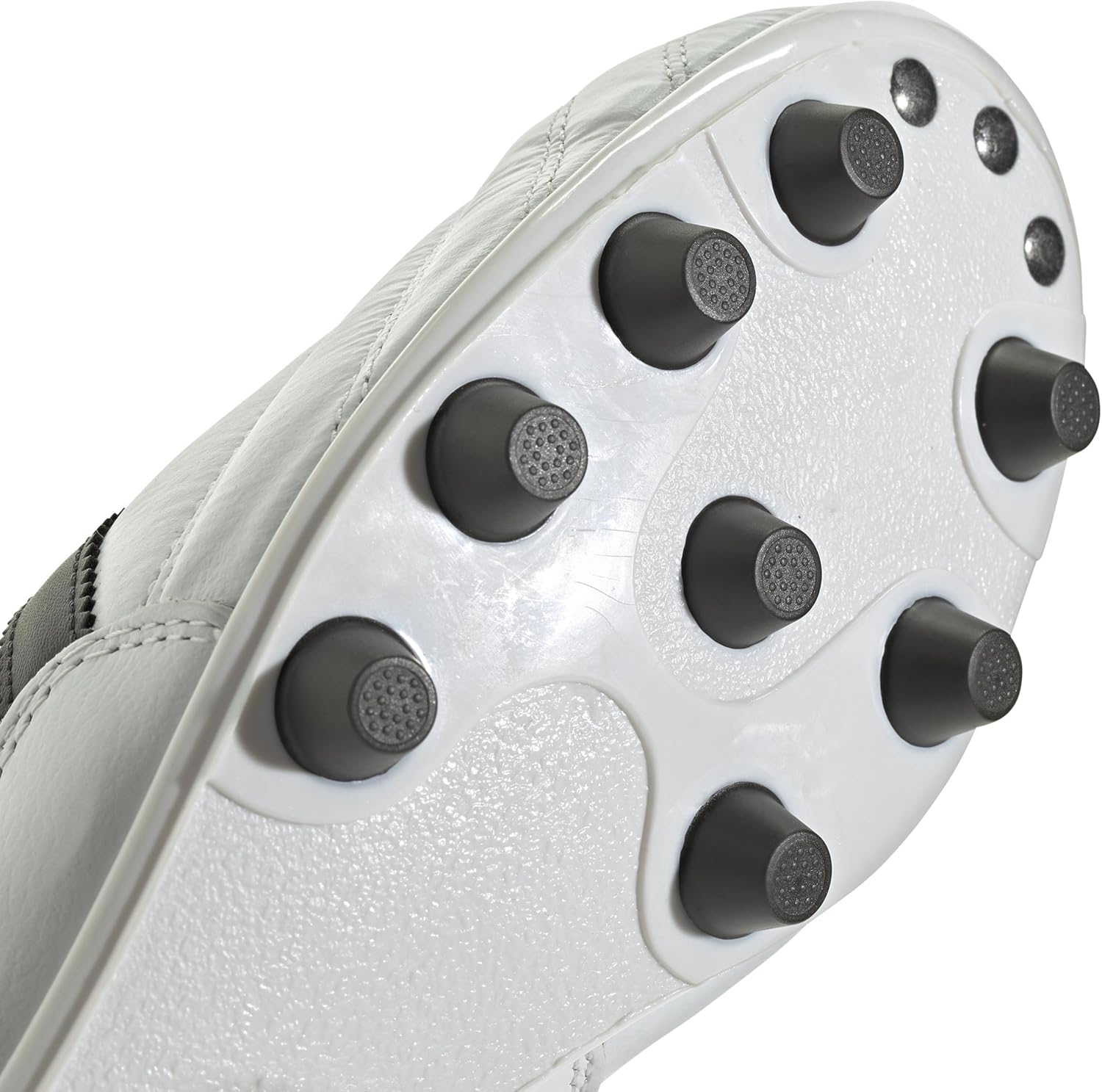
If you’ve searched “Adidas Samba” recently, you already know the problem: the results page looks like one shoe, but it’s hiding at least two very different products. The Adidas Samba OG (the “Original,” a lifestyle sneaker that’s been on shelves in some form since 1950) and the Adidas Samba Indoor (a sport-specific shoe designed for playing football on hard indoor courts) share a name, a silhouette, and enough visual overlap that buyers — including experienced ones — get them mixed up constantly. The confusion has real consequences: wrong sizing, wrong support level, and in some cases a shoe that’s actively bad for the thing you bought it to do. This article breaks down exactly what separates the two versions, sizes each one honestly, and ends with a clear decision rule so you walk away knowing which one belongs in your bag.
What Each Samba Actually Is (And Why the Confusion Exists)
The Samba OG is a fashion sneaker with athletic heritage. Adidas originally designed the Samba in the early 1950s as a training shoe for footballers practicing on frozen or hard ground in winter — essentially an early indoor-adjacent concept. Decades later it became a casual staple, and after a cultural moment that Footwear News tracked in their 2023–2024 sneaker trend coverage as one of the most significant sneaker re-emergences in recent memory, it’s now primarily a street and lifestyle shoe. The sole is flat and low-profile. The silhouette is clean. The upper is leather or suede. It does not have meaningful arch support or sport-specific cushioning because it doesn’t need to — that’s not what it’s for.
The Samba Indoor is a current-production performance shoe built to play on. It shares the Samba’s visual DNA — the T-toe overlay, the gum rubber outsole, the low-cut ankle — but the construction underneath is fundamentally different. SoccerBible’s indoor football footwear guide consistently distinguishes this category as purpose-built for futsal courts, sports halls, and hard indoor surfaces, where traction pattern and lateral stability matter in ways a lifestyle flat does not address.
The reason the confusion persists is partly naming (Adidas has not gone out of its way to make the distinction obvious on product pages) and partly appearance. Side by side in a photo, the two shoes look nearly identical. In your hands — or on your feet — they feel completely different.
The Construction Differences That Actually Matter
Here’s where a practitioner buyer needs to slow down and read the spec, not just look at the thumbnail.
Upper and Tongue Construction
The Samba Indoor features a stiffer, more structured upper and a longer, more padded tongue compared to the OG. Across aggregated owner reviews, this is the single most-cited tactile difference — buyers who received the Indoor when expecting the OG report immediately noticing the tongue height and rigidity. One reviewer of the Samba Indoor documented a six-month ownership update calling them still their daily go-to, which is an unusually strong long-term endorsement in a category where most buyers move on quickly. Notably, a separate buyer of the older Samba Classic variant — which shares the tall-tongue construction — reported cutting the tongue with scissors to solve a pressure point. That’s an outlier solution, but it tells you the tongue geometry is a real variable for certain foot shapes, not just a cosmetic detail.
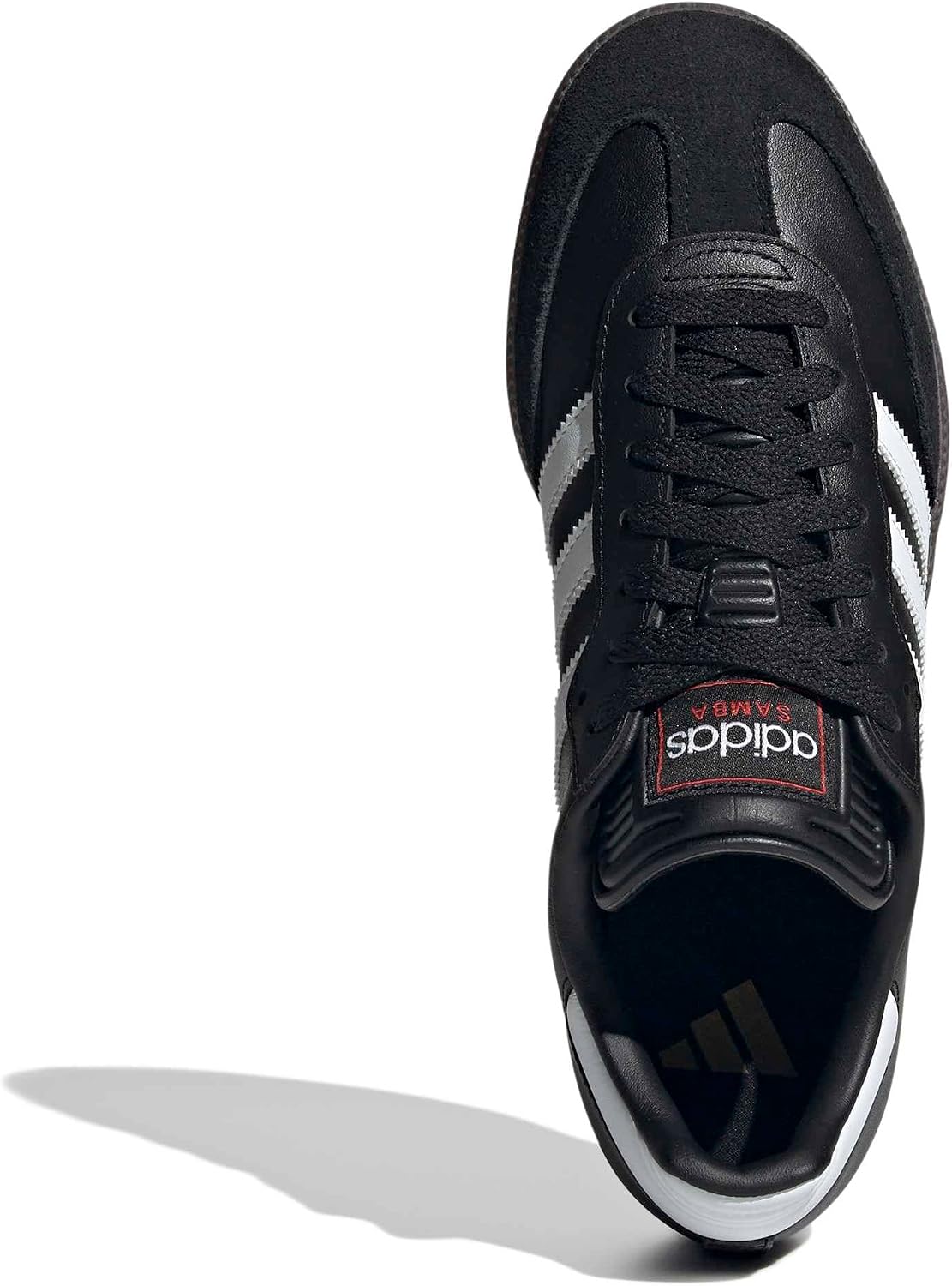
adidas
$89.99
In stock on Amazon
Check price on AmazonArch Support and Footbed
The Samba Indoor includes structured arch support. The Samba OG does not — multiple parent-audience reviewers of the Big Kid OG variant explicitly flag “not a lot of arch support” as a known limitation and accept it as the trade-off for the aesthetic. For a recreational wearer walking around a city, that’s manageable. For a player making lateral cuts on a hard court for 60 minutes, it’s a meaningful functional gap. Goal.com’s heritage overview of the Samba notes that the original design prioritized a low-profile feel over underfoot structure, a characteristic the OG reissue carries forward intact.
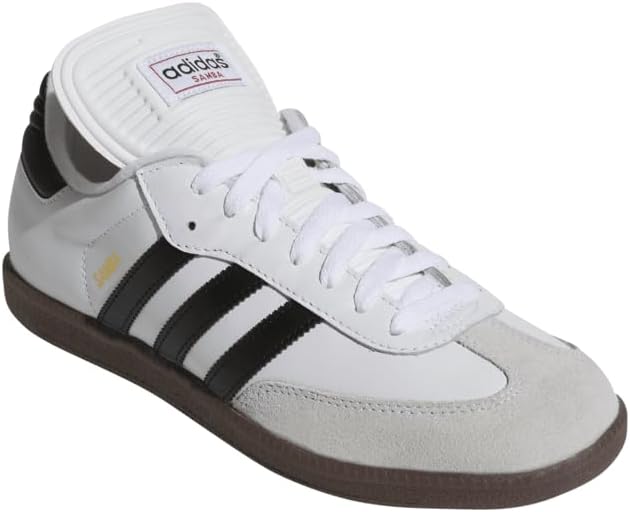
adidas
$47.44
In stock on Amazon
Check price on AmazonOutsole and Traction
The Indoor’s gum rubber outsole is optimized for grip on smooth gymnasium and futsal court surfaces — the tread pattern is designed for quick pivots and stops without marking the floor. The OG’s outsole is flat gum rubber optimized for comfort and aesthetics in casual wear. Per FootballBoots.co.uk’s indoor boot buyer’s guide, the distinction between a purpose-built indoor sole and a lifestyle flat becomes apparent within the first 20 minutes of serious play. The Indoor’s tread is shallower and more evenly distributed than a traditional outsole, which is exactly what smooth court surfaces require; the OG’s flat profile offers no meaningful grip differentiation for lateral movement.
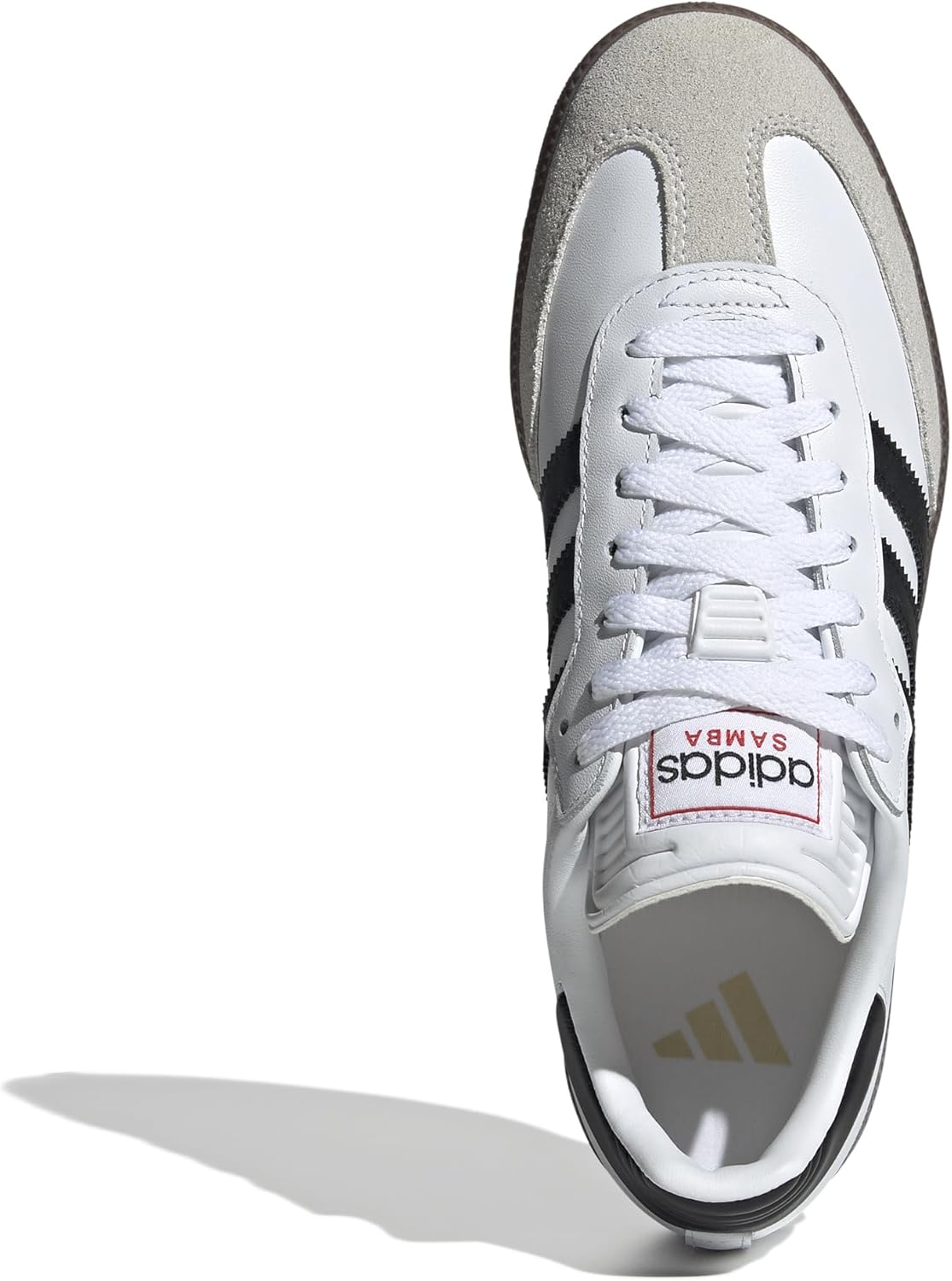
adidas
$94.99
In stock on Amazon
Check price on AmazonComparison at a Glance
| Feature | Samba OG | Samba Indoor |
|---|---|---|
| Arch support | Minimal | Structured |
| Tongue height | Standard | Taller / stiffer |
| Outsole | Lifestyle flat gum | Court-grip gum tread |
| Primary use | Lifestyle / casual wear | Indoor football / futsal |
| Sizing consensus | True to size; runs narrow | Half size down recommended |
Sizing: The Half-Size-Down Rule Doesn’t Apply to Both
This is where buyers get hurt on returns, so let’s be precise.
The half-size-down recommendation that circulates on Samba product pages applies primarily to the Samba Indoor. Owners of the Indoor consistently report the shoe runs slightly long — a half size down lands most buyers in the right fit. The Classic variant (a separate older model, not the OG) runs narrow, which is a width issue more than a length issue, and the workaround is different.
The Samba OG fits closer to true to size for most buyers, though the last (the internal foot-shaped mold the shoe is built on) skews narrow in standard widths. Goal.com’s heritage and modern reissue overview of the Samba notes the original construction was designed with a European athletic foot shape in mind — readers with wider forefeet or higher insteps are working against the last, not with it.
Practical rule: if you’re buying the Indoor for sport, size down half. If you’re buying the OG for lifestyle, start at true to size and go up half if you have wide or high-volume feet. If you’re unsure which version the listing is selling you, look for the product subtitle or check whether the description mentions arch support and a sport-specific outsole — the Indoor will name both; the OG listing will not.
Is the Samba Indoor Actually Good for Futsal?
This is the question serious players need answered honestly, and the answer is: yes, for recreational and club-level indoor play — with a ceiling.
Across owner reviews of the Samba Indoor, the pattern is consistent positive feedback on court grip, comfort over a full session, and the durability of the outsole. The six-month long-term endorsement mentioned earlier is in this category — the owner is using the shoe regularly, not storing it in a closet. For players in recreational leagues, university intramural programs, or club sessions on a sports hall floor, the Samba Indoor performs the function well.
For serious futsal — meaning competitive futsal at a level where you’re thinking about touch, pivot grip, and how the shoe affects your first step — the picture is more nuanced. SoccerBible’s indoor football footwear guide positions dedicated futsal boots (thinner soles for court feel, more precise toe boxes) as the performance tier above the Samba Indoor, which sits in the all-around indoor category rather than the specialist futsal category. The Samba Indoor is a very good shoe for what it is. “What it is” has a ceiling below the dedicated futsal specialist.
If you’re playing two nights a week in a recreational league and want a shoe that crosses over decently as casual wear, the Indoor earns its price. If you’re training seriously for futsal competition, the Samba Indoor is a capable backup or gym shoe — your primary shoe should probably be something from Adidas’s own Sala line or a specialist offering from New Balance or Puma in that category.
Arch Support Reality: OG for Flat Feet or High Arches?
Short answer: no, not really — at least not out of the box.
The Samba OG’s minimalist construction is part of its appeal aesthetically and part of its limitation functionally. Buyers with flat feet (low or collapsed arches that don’t naturally provide shock absorption) or high arches (which require fill in the midfoot to prevent the foot from bridging across the footbed) both report comfort issues in extended wear. The OG’s flat footbed doesn’t serve either end of the arch spectrum well.
The most practical fix owners report is an aftermarket insole. A thin, low-profile orthotic or support insole can be fitted into the OG if you have enough volume in the shoe — though the narrow last limits how much insole depth you can add before the fit becomes too tight. Buyers with flat feet who insist on the OG silhouette should factor the cost of a compatible insole into the purchase decision and size up slightly to make room.
The Samba Indoor’s structured arch support doesn’t replace a medical orthotic, but it’s a meaningfully better starting position than the OG for players who need some underfoot structure during lateral movement. If arch support is a genuine requirement rather than a preference, the Indoor is the correct Samba to start from.
Frequently Asked Questions
What is the actual functional difference between the Adidas Samba Indoor and the Samba OG?
The OG is a lifestyle sneaker built on the Samba’s heritage silhouette — it’s for wearing, not playing. The Indoor is a sport-specific shoe with structured arch support, a court-grip outsole, and a stiffer, longer tongue designed for movement on hard indoor surfaces. They look similar; they serve different purposes.
Can you wear the Samba Indoor as an everyday sneaker or is it too stiff?
You can, and some owners do — the six-month long-term review that names the Indoor as a daily go-to supports that. But the stiffer tongue and more structured upper are noticeable in casual wear, and some foot shapes find the tongue height uncomfortable for all-day use. One documented case involved cutting the tongue on a related Samba Classic variant to solve a pressure point. If everyday wearability is the primary goal, the OG is the more comfortable choice. If you need one shoe that plays and also looks acceptable off the pitch, the Indoor is the compromise — just know the trade-off.
Why do some Samba listings say size down half a size — does this apply to all versions?
No. The half-size-down consensus applies to the Samba Indoor, which runs slightly long. The Samba Classic runs narrow (a width issue, not a length issue). The Samba OG fits closer to true to size for most buyers, with a caveat for wide or high-volume feet who may want to go up half a size. Check which version you’re actually looking at before applying any sizing rule.
Is the Samba Indoor good enough for serious futsal or just recreational indoor play?
It’s genuinely good for recreational and club-level indoor play. For competitive futsal, it sits below the dedicated specialist tier — players who care about sole thinness for court feel and precise pivot grip will eventually want a purpose-built futsal shoe. The Indoor is the right answer for most buyers; it’s not the final answer for the most serious futsal players.
Does the Samba OG have enough arch support for players with flat feet or high arches?
Not really, out of the box. The OG’s flat footbed is a known limitation for buyers at either end of the arch spectrum. An aftermarket insole is the standard fix, but the narrow last limits how much volume you can add. If arch support matters to you functionally, the Samba Indoor is the better starting point — or consider a different silhouette entirely.
The Decision Rule
If you’re buying for sport — any regular indoor football or futsal — get the Samba Indoor, size down half. The arch support, court grip, and durability record from long-term owners justify the choice. It will also serve as a casual shoe in a pinch, even if the stiffer tongue takes some getting used to.
If you’re buying for lifestyle and occasional light movement — get the Samba OG at true to size, know that the arch support is minimal, and budget for an insole if you have flat feet or high arches.
If you’re looking at a listing and genuinely cannot tell which version it is, that’s not a you problem — it’s a naming problem Adidas has not fixed. Look for explicit mentions of arch support, sport-specific outsole, or futsal/indoor in the product description. If none of those appear, you’re probably looking at the OG. When in doubt, ask before you buy; the return process on footwear is friction you don’t need.