July 28, 2026 • Marcus Delray • 10 min reading time • Prices verified June 4, 2026
Soccer Cleats for Non-Soccer Sports: What Actually Works for Flag Football, Rugby, Baseball, and More
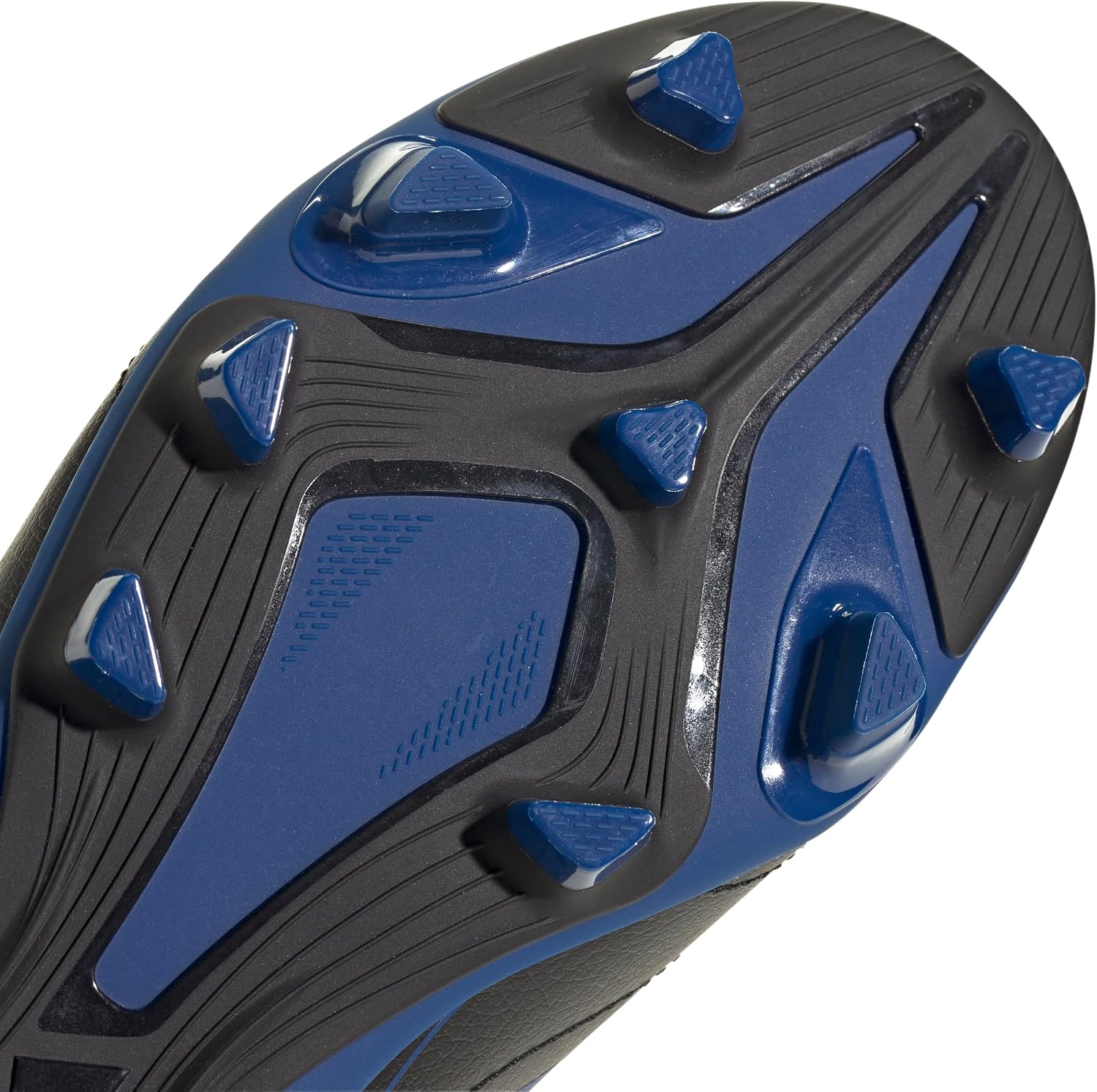
If you’ve ever stood in a sporting goods aisle holding a pair of soccer cleats and thought, “Could these work for flag football too?” — you are not alone, and the answer is more often yes than you’d expect. Soccer cleats (the spiked or studded shoes athletes wear to grip grass and turf surfaces) are designed for constant multidirectional movement, sharp cuts, and light weight. Those same properties turn out to be surprisingly useful for a wide range of field and court sports. This guide is for multi-sport families, casual athletes doubling up on gear, and anyone who has accidentally bought the wrong type of shoe and needs to know whether to keep it. We’ll go sport by sport, name the tradeoffs clearly, and give you a decision rule you can actually use at checkout.
The Core Tradeoff: What Soccer Cleats Are Built For (and What They’re Not)
Before diving into each sport, it helps to understand the single biggest design difference between soccer cleats and sport-specific footwear for American football, baseball, or rugby.
Soccer cleats are optimized for traction without bulk. The cleat patterns — whether firm-ground (FG), artificial-ground (AG), or turf (TF) — are laid out to handle lateral cuts, forward sprints, and constant repositioning without a toe cleat. That last detail is the key one: soccer cleats do not have a front toe stud, because FIFA and league rules prohibit it (a forward toe stud creates a tripping hazard in sliding tackles). American football cleats and baseball cleats, by contrast, often include a toe cleat specifically to help with explosive push-off from a dead stop.
What this means in practice, sport by sport:
- More toe-cleat sports (baseball, American football linemen): You’ll feel the absence.
- Speed-and-cut sports (flag football skill positions, rugby backs): You probably won’t miss it at all.
- Indoor/court sports: Cleats of any type don’t belong — turf shoes are the crossover option here.
FootballBoots.co.uk’s surface guide notes that FG soles, with their conical or bladed studs, are designed for natural grass between 20–40mm in length — which maps almost exactly onto the playing surface used for most youth flag football and recreational rugby. That overlap is not a coincidence.
Flag Football: The Best Fit of the Bunch
Flag football (a non-contact version of American football where defenders pull flags from a ball-carrier’s belt rather than tackling) is where soccer cleats have the most overlap. Skill-position players — receivers, quarterbacks, running backs — spend the game doing exactly what soccer cleats are engineered for: sharp lateral cuts, quick acceleration, and constant repositioning.
The Adidas Goletto IX FG has become something of a word-of-mouth favorite in flag football circles specifically. Reviewers across multiple retail platforms note flag football players citing it as their go-to shoe, often alongside comments about the price-to-grip ratio. It’s a firm-ground entry-level cleat, which means conical studs on a natural-grass-appropriate layout — and at its price point, it’s a low-stakes first test of the soccer-to-flag-football crossover.
Where the tradeoff shows up: If you’re playing flag football on packed artificial turf (the short-pile indoor or outdoor type common at rec facilities), an FG cleat may feel unstable — the studs are too tall for that surface and can catch awkwardly. In that case, an AG (artificial ground) cleat with shorter, more numerous studs, or a TF (turf) shoe with rubber nubs, is the smarter call. SoccerBible’s surface code guide is clear that FG on AG/TF surfaces is the most common cleat-misuse mistake — and it applies to flag football venues just as much as it does to soccer pitches.
Decision rule: If your flag football is played on natural grass → FG soccer cleat works. If it’s on artificial turf or a turf-carpeted gym → go turf shoe or AG sole.
Rugby: Closer Than You Think, With One Caveat
Rugby is a sport where the ball-carrier runs, cuts, and changes direction continuously — and where the backs (outside players) in particular have movement demands nearly identical to wide midfielders in soccer. It’s no surprise, then, that the crossover works better than most rugby players assume.
A reviewer of the PUMA Attacanto FG specifically documented buying it for rugby on turf, comparing it favorably against a competing rugby-specific brand. Their reported experience: better lateral grip on the cut, lighter on the foot, and no meaningful difference in straight-line traction. That’s a useful real-world data point, even if it’s a single owner’s account.
The caveat is forward-pack rugby — props, hookers, and locks who spend time in scrums generating sustained pushing force. Footwear News’s analysis of cleat design evolution across field sports notes that scrum-specific rugby boots have a reinforced toe box and higher-cut ankle support precisely because of the torque generated in set pieces. A soccer cleat, built to be light and flexible, is not optimized for that application. It won’t cause immediate injury, but it will wear unevenly and may compress in ways that reduce grip over time.
Decision rule: Rugby back or touch/tag rugby → FG or AG soccer cleat is a legitimate choice. Rugby forward in competitive scrums → get a rugby-specific boot or at minimum a high-cut cleat with reinforced construction.
Baseball and Softball: Youth Levels Are Fine, Competitive Levels Get Complicated
This is where most parent questions cluster, and the answer depends heavily on age and competition level.
At youth and recreational levels (t-ball through ~U10 baseball): Soccer cleats are widely used and generally accepted. The DREAM PAIRS kids cleats show up repeatedly in parenting forums and retail reviews as a dual-use purchase that covers both soccer and baseball for young kids — the grip is adequate for base running, the fit is familiar, and the price is low enough that replacing them mid-season isn’t a disaster. Outside Online’s cross-training gear coverage notes that for children under 10, the biomechanical differences between sport-specific footwear are largely irrelevant — the movement demands simply don’t stress the equipment that way.
At competitive youth and high school levels: League rules get stricter, and the toe-cleat absence starts to matter. Baseball pitchers and batters generate significant rotational force from a planted foot. An Adidas Copa Club (the indoor version, not the FG) was noted by one buyer as their softball pitching shoe for winter indoor practice — and they specifically praised the sole’s durability under that push-off stress. That’s an indoor context where the rubber outsole of an indoor soccer shoe handles the torque reasonably well, but it underscores that the use case is narrowing as the athletic demand grows.
Decision rule for families:
- T-ball and recreational youth baseball → soccer cleats or dual-use kids cleats work fine
- Competitive travel ball or high school → check league rules first, then invest in baseball-specific cleats
By the Numbers
| Sport / Context | FG Soccer Cleat | AG Soccer Cleat | Turf Soccer Shoe | Sport-Specific Boot |
|---|---|---|---|---|
| Flag football (grass) | ✅ Works well | ✅ Works well | ⚠️ Low grip | Ideal but rarely needed |
| Flag football (turf) | ⚠️ Too tall | ✅ Good fit | ✅ Works well | Unnecessary |
| Rugby back (grass) | ✅ Legitimate | ✅ Good | ⚠️ Low grip | Option, not required |
| Rugby forward (scrum) | ⚠️ Wears fast | ⚠️ Wears fast | ❌ No | Recommended |
| Youth baseball | ✅ Generally fine | ✅ Fine | ✅ Fine | Check league rules |
| Competitive baseball | ⚠️ Check rules | ⚠️ Check rules | ❌ Low traction | Required |
Turf Soccer Shoes and Indoor Sports: Know the Surface
A distinct sub-question that comes up constantly: can turf soccer shoes (TF sole, rubber nubs) work for basketball-court-based futsal or indoor sports?
The short answer is no — not on hardwood or sport court. Turf shoes are designed for short-pile artificial grass, not smooth gym floors. The rubber nub pattern that grips turf fibers will slide on polished court surfaces and will leave marks on wood floors (which will get you removed from most facilities). For futsal specifically, you want an indoor soccer shoe with a flat, non-marking rubber outsole — that’s a different product category entirely.
Where turf shoes do cross over well: gym turf floors, warehouse athletic facilities with turf carpet, and indoor training complexes that use artificial turf. The Brooman indoor turf shoe for kids shows up in baseball context specifically because some youth baseball winter training is done on exactly that kind of turf-carpet gym surface — and in that context, the rubber nub grip is fine.
Frequently Asked Questions
Can my kid wear soccer cleats for flag football — will the grip work?
Yes, in most cases. If the game is on natural grass, an FG soccer cleat gives you more than enough traction for the cuts and sprints in flag football. If the game is on artificial turf, switch to an AG cleat or turf shoe — FG studs are too tall for packed turf and can catch uncomfortably.
Are soccer cleats safe and legal for youth baseball or t-ball?
For t-ball and recreational youth leagues, soccer cleats are generally safe and usually accepted — they’re common enough that most rec leagues don’t flag them. As kids move into competitive travel ball or high school baseball, league rules vary, and metal cleats (which soccer cleats never are) may become required or molded cleats may be specifically mandated. Always check your league’s equipment rules before competitive season starts.
What’s the difference between soccer cleats and football cleats for someone playing both sports?
The main structural difference is the toe cleat: American football cleats typically include a stud at the front toe to help with explosive starts from a set position. Soccer cleats don’t have this, because it’s a rules violation in soccer. For skill-position football players who spend the game in motion (flag football receivers, running backs), this difference is minor. For linemen who drive off the line, the toe cleat matters more.
Can turf soccer shoes work for indoor sports like basketball-court-based futsal?
No. Turf shoes have rubber nub outsoles designed for artificial grass fibers — they slide on smooth court surfaces and will mark hardwood floors. True futsal requires a flat, non-marking indoor sole. Using turf shoes on a basketball court is a slip risk and will likely get you asked to leave the facility.
Do soccer cleats work for rugby, or do I need a rugby-specific boot?
For backs and open-field positions, soccer cleats are a legitimate option — the movement demands are nearly identical, and multiple rugby players have reported preferring lighter soccer boots over their rugby-specific alternatives. For forwards who play in scrums, rugby-specific boots offer reinforced construction that soccer cleats aren’t designed to provide. If you’re a casual or recreational rugby player of any position, a soccer FG cleat on grass is a reasonable, cost-effective choice.
The Bottom Line
The multi-sport cleat question comes down to two variables: the surface you’re playing on and the specific movement demands of your position. Soccer cleats — especially FG and AG soles — cover a surprisingly wide territory for flag football, recreational rugby, and youth baseball precisely because those sports share the same basic requirement: grip on grass for multidirectional movement. The limits appear at the edges: competitive baseball rules, rugby scrums, and smooth indoor courts are where soccer cleat design genuinely falls short of sport-specific alternatives.
For families stretching one shoe purchase across two sports, the practical framework is this: buy to the surface first (FG for natural grass, AG or TF for artificial), check your league’s equipment rules second, and only pay for a sport-specific boot when the specific demands of the position actually require it. Most of the time, a well-chosen soccer cleat does the job without apology.